
The Allure of Anticipation
The psychology of casino gambling thrives on the thrill of anticipation. As players engage with various games, they experience a heightened sense of excitement with each spin of the wheel or flip of a card. This anticipation triggers the brain’s reward system, releasing dopamine and creating a feeling of happiness. This chemical response not only makes the gambling experience enjoyable but also fosters a cycle of repeated behavior, as players become conditioned to seek out that pleasurable sensation. Many also prioritize options for fast casino withdrawal to enhance their overall satisfaction, ensuring the promise of potential winnings keeps players returning, often leading them to overlook the risks involved.
Moreover, this allure is often bolstered by the design of casino environments, which are intentionally crafted to amplify anticipation. Bright lights, vibrant colors, and stimulating sounds create a sensory overload that captivates players and keeps them engaged. The intermittent rewards within the games—such as small wins amidst larger losses—serve to maintain this excitement and allure, reinforcing the idea that fortune could be right around the corner. This phenomenon makes players more likely to return to the casino, as the thrill of potential big wins overshadows the reality of losing.
Ultimately, the anticipation associated with gambling resonates deeply within the human psyche. It taps into our inherent desire for risk and excitement, making it hard to resist the call of the casino. This understanding of anticipation not only drives players to gamble but also is a crucial factor that casinos exploit to enhance their profit margins, illustrating a complex interplay between psychology and gaming. The carefully orchestrated environment of a casino ensures that players remain engaged, often leading them to make decisions they might not consider in other contexts.
The Role of Cognitive Dissonance
Cognitive dissonance—where an individual’s beliefs and actions are in conflict—plays a significant role in casino gambling. For instance, players often know that the odds are stacked against them; yet, they still gamble, hoping for a significant win. This creates discomfort, prompting gamblers to rationalize their behavior by attributing losses to bad luck or a temporary phase rather than acknowledging the reality of unfavorable odds. This mental conflict can lead to a cycle of self-deception, where each loss is dismissed in favor of the next gamble.
This dissonance can lead to a dangerous cycle, where gamblers continue to play, fueling their desire to recover losses. They may convince themselves that a win is imminent, despite past experiences indicating otherwise. This psychological mechanism is particularly potent in scenarios like slot machines, where the sound of a near-win can reinforce the belief that success is just out of reach, prompting players to keep trying, despite the statistical likelihood being against them. The interplay of hope and despair can make it difficult for players to break free from this cycle.

Furthermore, casinos often employ strategies that exploit this cognitive dissonance. By using visual cues, such as flashing lights and celebratory music when a player wins, they create a disconnect between the player’s experience and the reality of the situation. This orchestrated environment keeps players entranced in their pursuit of win recovery, further embedding them within the gambling cycle and enhancing the casino’s profitability. The emotional highs of winning, however fleeting, can overshadow the more significant losses, leading to continued gambling behavior.
The Impact of Social Influences
The psychological landscape of casino gambling is also heavily influenced by social factors. The competitive nature of gambling can be intensified in the presence of others, as players often feel compelled to outperform their peers or validate their gambling habits through social interactions. This phenomenon is central to understanding why many individuals choose to gamble in physical venues rather than online; the social atmosphere can heighten the overall experience. The presence of other players can create a sense of urgency and excitement that is difficult to replicate in solitary gambling.
Additionally, the communal environment of a casino fosters camaraderie among players, creating a shared experience that enhances emotional engagement. Players often celebrate wins together and empathize over losses, which can further entrench their commitment to gambling. The presence of friends and fellow gamblers can amplify decisions, leading to riskier bets and longer play sessions than one might engage in alone. This social dynamic can cause individuals to gamble more than they initially intended, as the collective energy of the group drives them to continue playing.
Social influences can also extend to the marketing strategies of casinos, which often promote group-oriented events, such as tournaments or loyalty programs. By positioning gambling as a shared social activity, these establishments effectively create an environment where players feel a sense of belonging. This social aspect can be a double-edged sword, leading both to increased enjoyment and to further compulsion, as the need to fit in or compete can drive players to gamble excessively. The interplay of social validation and individual behavior creates a complex environment that can lead to both positive experiences and potentially harmful outcomes.
The Illusion of Control
Many gamblers fall victim to the illusion of control, a cognitive bias where individuals believe they can influence outcomes that are, in fact, entirely random. This phenomenon is particularly prevalent in games like poker and sports betting, where players may feel their knowledge and skills grant them an edge. Even in luck-based games such as slots, players often engage in rituals or strategies that they believe will enhance their chances of winning, despite the randomness of these games. This belief can lead to a false sense of security and a willingness to take greater risks.
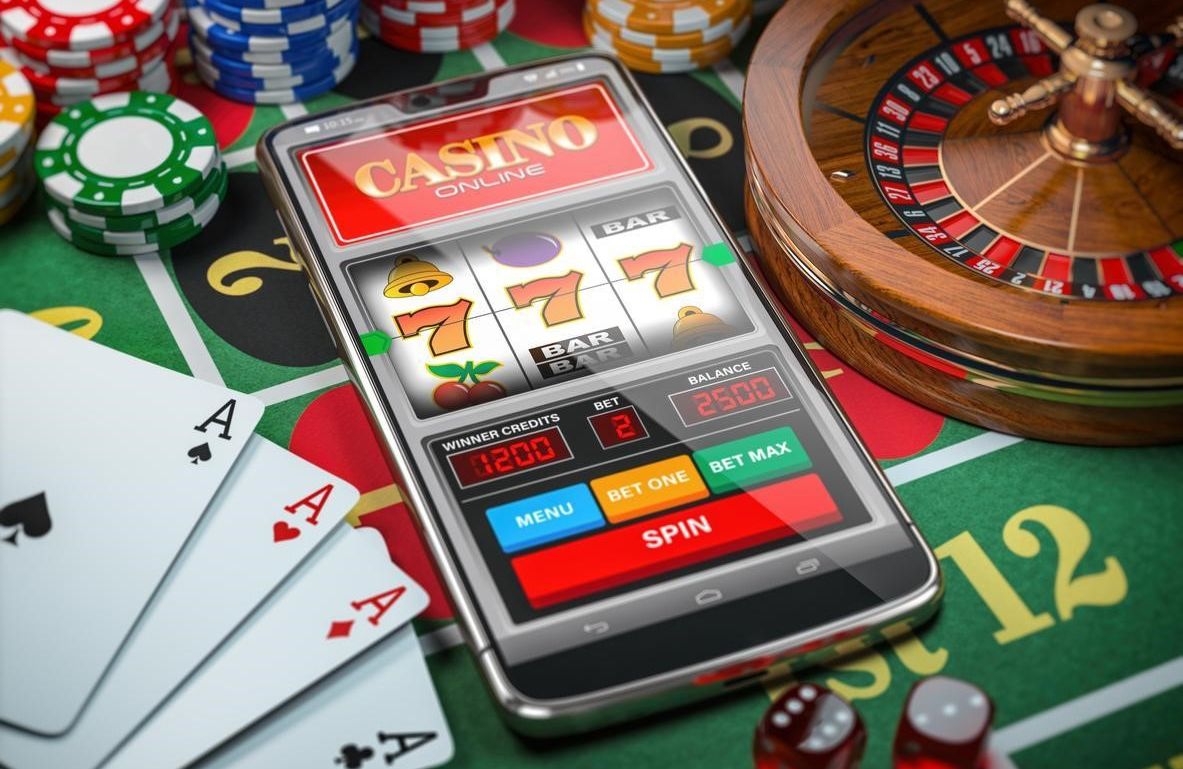
The illusion of control can be dangerously misleading. Players may increase their gambling activities, driven by the belief that their actions can influence outcomes. This can result in larger bets and prolonged gaming sessions, as gamblers chase the high of winning that feels within their grasp. This false perception can often lead to devastating financial consequences, as players continue to gamble in pursuit of that elusive big win. The psychological impact of believing one is in control can trap players in a cycle of ongoing gambling.
Casinos are well aware of this psychological bias and often design their games to emphasize it. By allowing players to exert some level of choice, such as selecting card games or betting amounts, they reinforce the belief that players have control over their fortunes. This not only increases engagement but also perpetuates the cycle of gambling behavior, as players who feel in control are more likely to return to the casino for another round, further solidifying the casino’s bottom line. By exploiting this cognitive bias, casinos can effectively enhance their profitability while keeping players engaged.
Understanding Casino Culture and Its Impact
The culture surrounding casinos significantly influences how individuals perceive and engage in gambling. Casinos are often viewed as exciting destinations, where glamour and high stakes go hand in hand. This perception is further perpetuated by media portrayals of gambling, which glamorize risky behavior while downplaying the potential consequences. As a result, many individuals are drawn to casinos with a sense of adventure and excitement, often overlooking the underlying risks associated with gambling. This cultural narrative plays a crucial role in shaping attitudes towards gambling and can contribute to increased participation.
Moreover, the culture of gambling contributes to the normalization of betting as a form of entertainment. As more individuals engage in gambling, societal acceptance grows, sometimes leading to increased participation among various demographics. This shift can cause individuals to underestimate the risks associated with gambling, as they may view it as a harmless pastime rather than a potential problem. The normalization of gambling can create a slippery slope, where individuals may find themselves increasingly involved without fully recognizing the implications.
Understanding the intrinsic culture of casinos sheds light on the broader implications of gambling behavior. It highlights the importance of ongoing education and awareness to mitigate gambling-related harm. By addressing the psychological factors that drive gambling, individuals and communities can work toward a better understanding of responsible gaming practices, ultimately fostering a healthier relationship with gambling as a form of entertainment rather than a financial solution. This cultural awareness is vital for developing strategies to combat potential gambling addiction and promote healthier gaming habits.