

The Role of Luck in Casino Games
Luck serves as a cornerstone in many casino games, especially those reliant solely on chance, like slot machines and roulette. In these games, outcomes arise from unpredictable events, leaving players with minimal control over results. This randomness is a key attraction for many players, as the possibility of a significant win adds an exhilarating thrill, much like analyzing nrl betting odds in sports betting. Since these games operate purely on chance, skill does not play a role, reinforcing the notion that luck is the primary determinant in the gaming experience.
Nevertheless, it’s crucial to recognize that while luck appears to be the only factor in these luck-dominated games, the psychological aspects of gambling also hold considerable weight. Gamblers often develop mental cues and superstitions, convinced that certain habits or rituals can enhance their chances. This interplay between luck and human psychology illustrates how players may overlook the randomness inherent in winning or losing, leading to behaviors that can affect their overall gaming experience.
In contrast to luck-based games, others like poker and blackjack incorporate elements of strategy and skill that can sway the outcomes. Although luck remains a factor—particularly with initial card distributions or random draws—experienced players often use their decision-making skills to maximize their winning odds. This raises the compelling question of whether skill can genuinely influence luck in various gaming scenarios, suggesting a more intricate relationship between the two than initially apparent.
Skill-Based Games: An Overview
Skill-based games allow players to exert a degree of control over the outcome, distinguishing them from traditional chance games. In games like poker, adept players can leverage their skills to read opponents, bluff successfully, and calculate odds with precision. This strategic dimension adds a captivating layer to the game, where sharp thinking and extensive practice can yield tangible results. Players often dedicate years to refining their skills, underscoring how knowledge and experience can significantly elevate performance.
The capacity to make informed decisions is particularly vital in blackjack, where players can employ basic strategies to lower the house edge. By understanding when to hit, stand, or double down, skilled players can significantly sway their winning odds. This reliance on skill challenges the concept of luck as the sole factor for success, indicating that the relationship between skill and chance is far more nuanced in skill-based games.
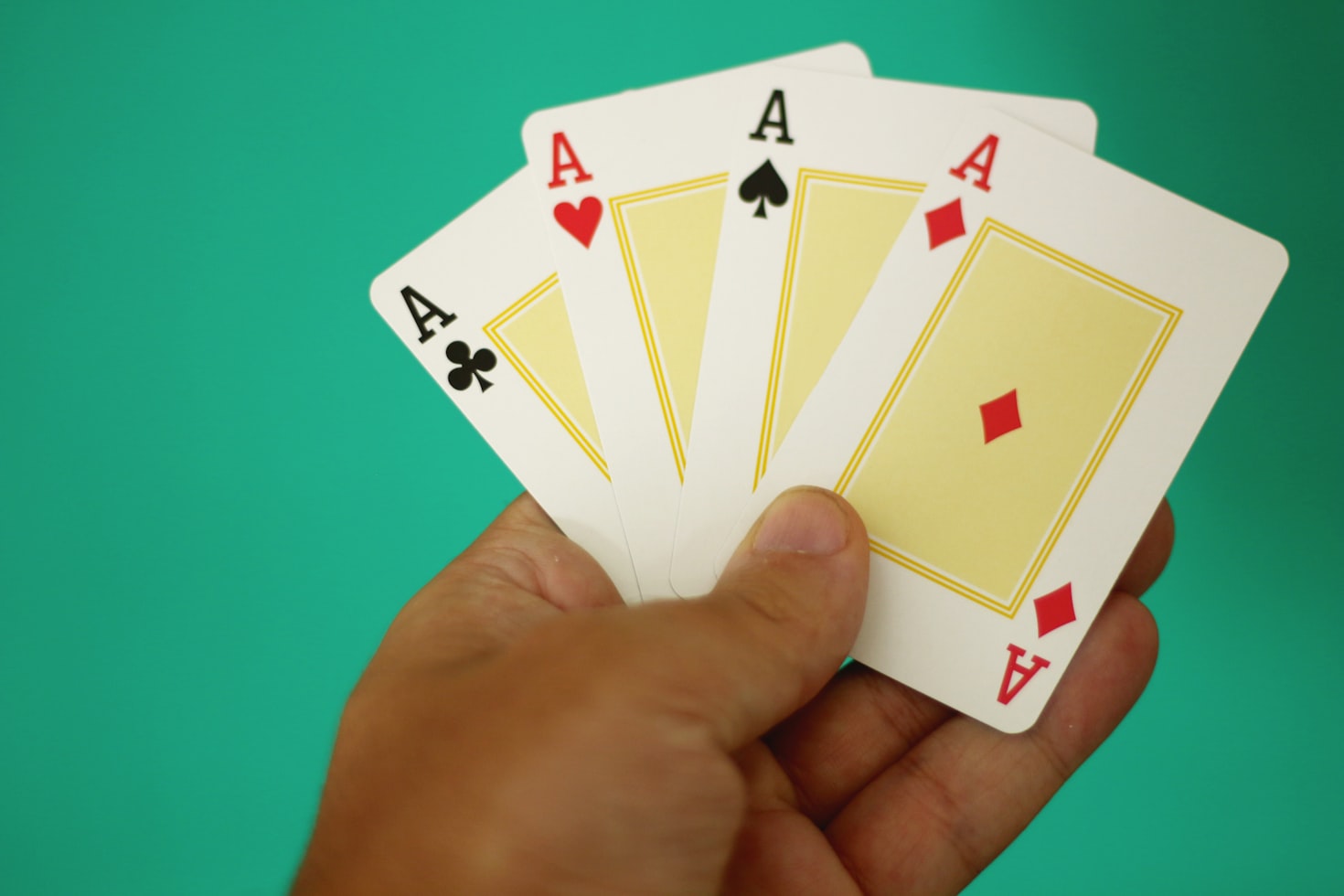
Furthermore, competitive tournaments highlight the impact of skill on outcomes, as players with greater expertise generally have higher chances of winning compared to less skilled participants. These events showcase how practice and strategic planning can dictate results, shifting the emphasis from pure luck to a blend of skill and chance. The central question persists: can skill be seen as an influencing force on luck, or is luck merely an unpredictable element in the broader context of gaming?
The Psychological Aspect of Gambling
The psychology surrounding gambling is pivotal in comprehending the intricate relationship between skill and luck. Players often view their luck as something dynamic, one that can sometimes be swayed by their actions or decisions. This belief fosters what is known as the “illusion of control,” where gamblers feel they can impact random outcomes through their choices. For instance, a player might think their betting patterns or timing can enhance their luck, even when evidence suggests otherwise.
Moreover, cognitive biases, such as the gambler’s fallacy, complicate perceptions of luck further. This fallacy occurs when players mistakenly believe that past outcomes can affect future results, even in games governed by random processes. Such psychological phenomena can create a false sense of confidence, prompting players to take riskier bets or chase losing streaks in hopes of a favorable turnaround, thereby intertwining psychological influences with perceptions of luck.
Additionally, the exhilarating nature of gambling can create a feedback loop that reinforces both the belief in luck and the desire to hone skills. Players might feel compelled to improve their skills in response to perceived luck while simultaneously attributing outcomes to their past performances, whether successful or not. This complex interplay among skill, luck, and psychology emphasizes the multifaceted nature of casino gaming, illustrating how individuals navigate these experiences in diverse ways.
Strategies to Enhance Skills in Casino Games
To effectively navigate luck in casino games, players can adopt specific strategies aimed at skill enhancement. For instance, those interested in poker can immerse themselves in studying game theory, analyzing opponents’ behavior, and practicing through simulations or low-stakes games. By actively engaging with the nuances of gameplay, individuals can sharpen their decision-making skills, ultimately improving their performance in high-stakes environments.
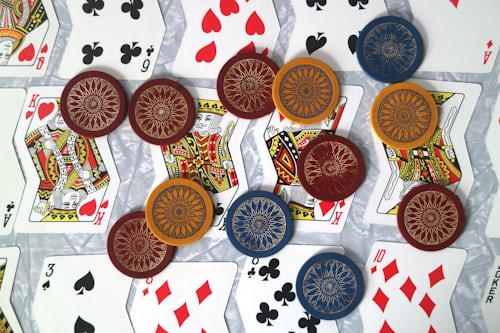
Similarly, blackjack players can gain significantly by mastering basic strategies and card counting techniques. Understanding when to make specific moves based on statistical probabilities allows players to tilt the odds in their favor, thus shifting the balance from luck to skill. It’s essential to grasp the odds and recognize favorable situations. This proactive approach empowers players to consistently make informed choices, which can help mitigate the randomness associated with luck.
Ultimately, developing skills in casino games demands time and commitment, as well as a strong grasp of the intricacies of the game. Engaging with expert literature, participating in forums, and even seeking mentorship can provide invaluable insights that enhance a player’s understanding and execution of strategies. As a result, players who invest in skill development may find themselves better equipped to navigate the unpredictable landscape of casino gaming, where luck and skill are in constant interplay.
Conclusion: Navigating Luck and Skill in Casinos
In conclusion, the relationship between luck and skill in casino games is both complex and multifaceted. While many games are rooted in chance, skill can undeniably influence outcomes in specific contexts, especially in games where strategic thinking plays a crucial role. The balance of luck may tip in favor of skilled players, particularly in competitive environments where knowledge and experience can be effectively leveraged.
Moreover, the psychological dimensions of gambling add another layer of depth to this discussion. Players often find themselves navigating not only the mechanics of the games but also their beliefs and perceptions regarding luck. By comprehending these intricacies, players can approach casino gaming with a more informed mindset, allowing them to harness their skills while acknowledging the unpredictable nature of luck.
As you delve into the fascinating world of casino games, remember that both luck and skill are integral to the experience. Each game offers a unique mix of chance and strategy, presenting opportunities for enjoyment and learning. Regardless of your experience level, the journey of mastering these games is rife with possibilities, enriching your understanding of the dynamic interplay between skill and luck in the thrilling realm of casinos.
